
Plant based supplements for Vegan athletes
Plant-Based Supplements for Vegan Athletes: What You Need to Know
Jul 31, 2025, 7:22:49 AM
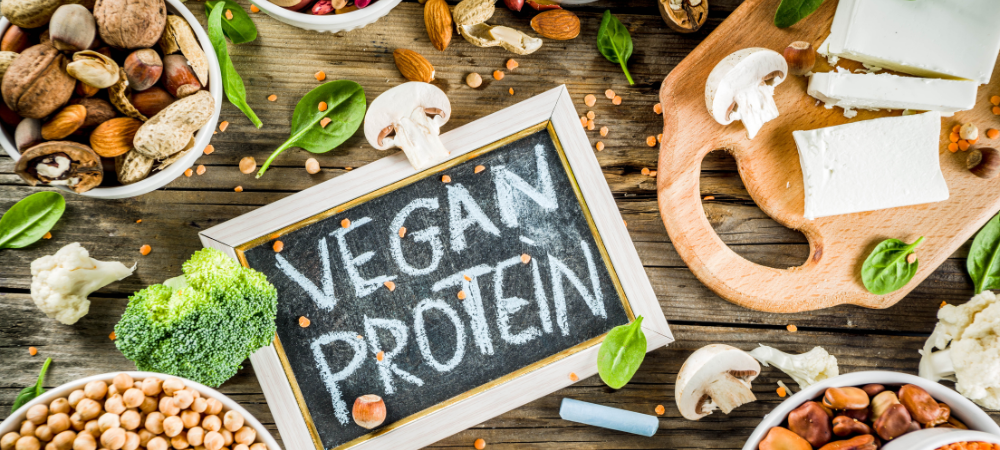
In recent years, plant-based diets have gained popularity, not just among those seeking a more ethical and sustainable way of living but also among athletes looking to optimize their performance. However, one concern for vegan athletes is how to meet their protein requirements through a plant-based diet. In this guide, we'll explore the best vegan protein sources, the benefits of vegan protein powder, and how you can fuel your workouts with a plant-based diet.
The Importance of
Protein for Vegan Athletes
Protein is crucial for building and repairing muscles, maintaining a healthy immune system, and provide essential amino acids and supporthormones and enzymes. For athletes, consuming enough protein is important for recovery after intense workouts. While animal-based proteins are complete, meaning they contain all nine essential amino acids, it's also possible to meet these requirements through plant-based protein, however we need to mix differnet type of plant-based protein to make it complete, since all plant based proteins do not possess all 9 essential amino acids.
Protein Sources in a Vegan Diet
A vegan diet provides plenty of opportunities to get the required amount of protein, but it’s important to be aware of different vegan protein sources and how to combine them effectively. Here are some great natural protein sources for vegan athletes:
1. Lentils:
- Why it's good: Lentils are rich in protein and fiber. A cup of cooked lentils contains about 18 grams of protein, making them an excellent addition to your daily meals.
- How to use: Incorporate lentils into salads, soups, or stews for a protein boost.
2. Chickpeas:
- Why it's good: A versatile legume, chickpeas are another excellent protein source in a vegan diet. One cup of cooked chickpeas contains around 15 grams of protein.
- How to use: Enjoy chickpeas in hummus, falafel, or roasted as a snack.
3. Quinoa:
- Why it's good: Unlike many plant-based foods, quinoa is a complete protein, meaning it contains all nine essential amino acids. One cup of cooked quinoa offers about 8 grams of protein.
- How to use: Use quinoa as a base for salads, in stir-fries, or as a side dish to replace rice.
4. Tofu and Tempeh:
- Why it's good: Both tofu and tempeh are made from soybeans, a complete protein source. Tofu contains about 10 grams of protein per half-cup, while tempeh offers 15 grams for the same serving.
- How to use: Add tofu to stir-fries, salads, or sandwiches, and tempeh can be used as a meat substitute in tacos or grain bowls.
5. Chia Seeds:
- Why they're good: Seeds are small but mighty when it comes to protein. Chia seeds provide 4 grams of protein per ounce. They are also packed with omega-3 fatty acids.
- How to use: Add seeds to smoothies, oatmeal, or sprinkle them on top of salads.
Benefits of Vegan Protein Powders
Plant-based protein powders offer a wide range of benefits, particularly for those following a vegan or plant-based diet. These powders are derived from natural, plant-based sources, making them a great option for individuals seeking to meet their daily protein requirements while supporting sustainable and ethical nutrition choices.
One of the primary advantages of plant-based protein powders is their digestibility. Unlike some animal-based proteins, plant proteins tend to be easier on the digestive system, reducing the likelihood of stomach discomfort or bloating. Additionally, many plant-based protein powders, such as pea protein are rich in branched-chain amino acids (BCAAs), which are essential for muscle repair, growth, and recovery. These amino acids make plant-based proteins effective in supporting athletic performance, intra and post-workout recovery.
Another benefit of plant-based protein powders is that they cater to individuals with food sensitivities or allergies. For example, brown rice protein is suitable for those who cannot tolerate gluten, dairy, or soy. This diversity of protein sources allows people to choose a product that aligns with their dietary needs and preferences.
In terms of nutritional value, plant-based protein powders are often packed with additional nutrients like fiber, omega-3 fatty acids, and antioxidants, making them more than just a protein source. Powders made from chia seeds also provide heart-healthy fats, supporting overall health in addition to protein intake.
Common protein sources used in plant-based protein powders include pea protein, brown rice protein, soy protein, and chia seeds. Each of these sources offers its own unique set of benefits, from promoting muscle recovery to providing essential amino acids, making plant protein powders a well-rounded and effective choice for individuals looking to supplement their diet with high-quality, sustainable protein.
Overall, plant-based protein powders are an excellent choice for those seeking a versatile, nutrient-dense protein option that supports both personal health and the environment.
Plant-Based Diet
and Protein Requirements
Many people wonder if a plant-based diet can provide enough protein to support athletic performance! The good news is that a well-planned vegan diet can meet or even exceed protein needs for athletes. The key is to include a variety of plant-based protein sources in your meals to ensure you're getting all essential amino acids, since plant proteins are considered incomplete protein.
Combining Plant-Based Proteins for Optimal Nutrition
Because some plant-based proteins are incomplete, it’s essential to combine different foods to make sure you get a full range of amino acids. For example, eating rice with beans or peanut butter with whole-grain bread provides all the essential amino acids your body needs. By eating a variety of plant proteins throughout the day, you’ll meet your protein needs as a vegan athlete.
Vegan Protein Supplements: When to Use Them
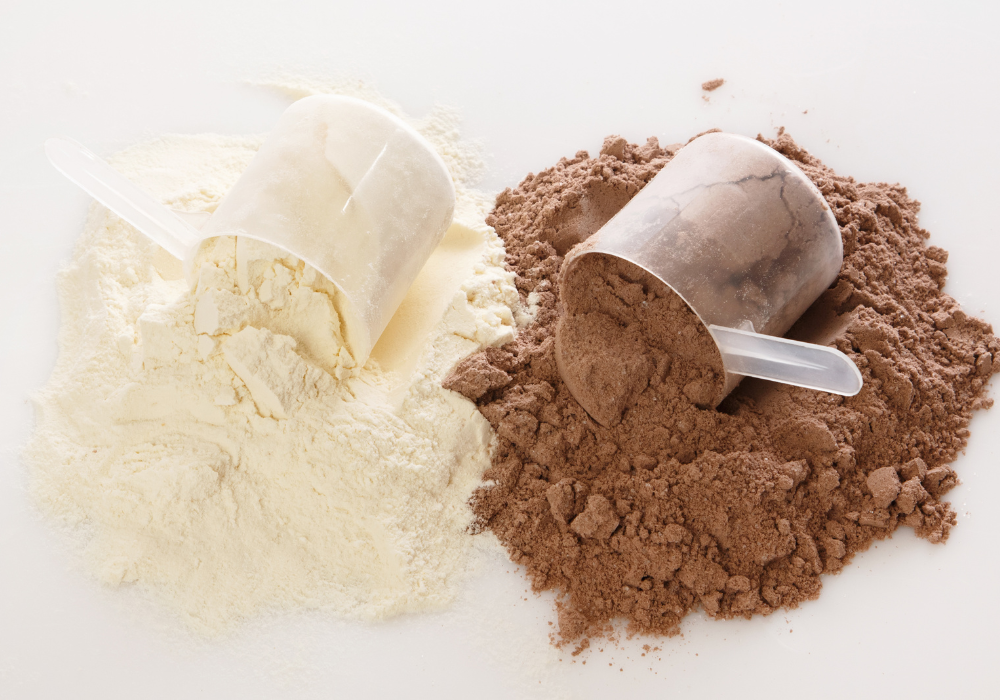
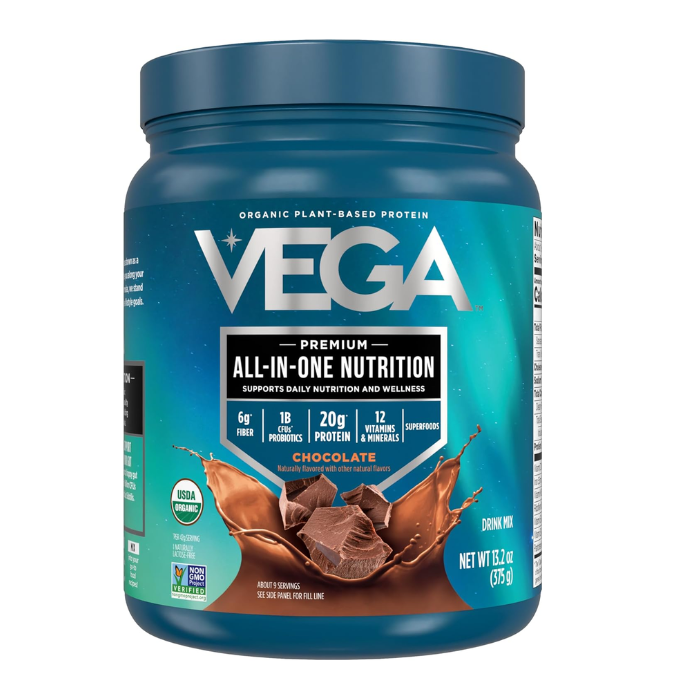
While whole foods should always be the primary source of nutrients, there are times when vegan protein powder supplements can be beneficial. If you find it challenging to meet your protein needs due to a busy lifestyle, post-workout recovery, or intense training sessions, incorporating vegan protein powders can help you stay on track.
- Post-Workout: After intense exercise, consuming protein is essential for muscle repair. A vegan protein shake made with pea or rice protein can provide the quick absorption your muscles need for recovery.
- Meal Replacement: If you're on the go, vegan protein powder can serve as a quick and nutritious meal replacement when blended with fruits, vegetables, and plant-based milk.
Conclusion
For vegan athletes, getting enough protein on a plant-based diet is not only possible but highly achievable with the right approach. By including a variety of vegan protein sources like lentils, quinoa, and tofu, alongside vegan protein powders such as pea protein, you can fuel your body for optimal performance and recovery.
Whether you rely on whole foods or incorporate vegan protein powder into your routine, rest assured that a plant-based diet can support your athletic goals while keeping you energized, strong, and healthy
أحدث مقالات المدونة
منتجات موصى بها

احصل على قسيمة مجانية


احصل على قسيمة مجانية
احصل على قسيمة مجانية

احصل على قسيمة مجانية
Price Challenge
Exciting Offers

